Each year, Conservation Leadership Programme (CLP) award winners receive not just project funding but also the opportunity to attend our international Conservation Management & Leadership (CML) training workshop. Having recently wrapped up this year’s CML workshop, we reflect on what we did and what our trainees thought of the experience.

Participants and staff at CLP’s 2025 Conservation Management & Leadership (CML) workshop in Bali, Indonesia (September 14-24, 2025)
“Participating in the CLP training was a transformative experience. It has not only broadened my skills in leadership and project design and management, but also connected me with many passionate conservationists and mentors who are committed to bringing positive change in their communities.” – 2025 CML participant (anonymous)
In September 2025, the Conservation Leadership Programme (CLP) ran the in person component of our CML workshop: a 10-day training course at the Marine Education & Research Organisation Foundation in Bali, Indonesia. This training brought together 16 early-career conservationists from 12 countries around the world – all members of project teams supported by our 2025 Team Awards.
As in previous years, it was designed to equip our participants with the essential skills, confidence and knowledge needed to effectively execute their conservation projects and grow as leaders.
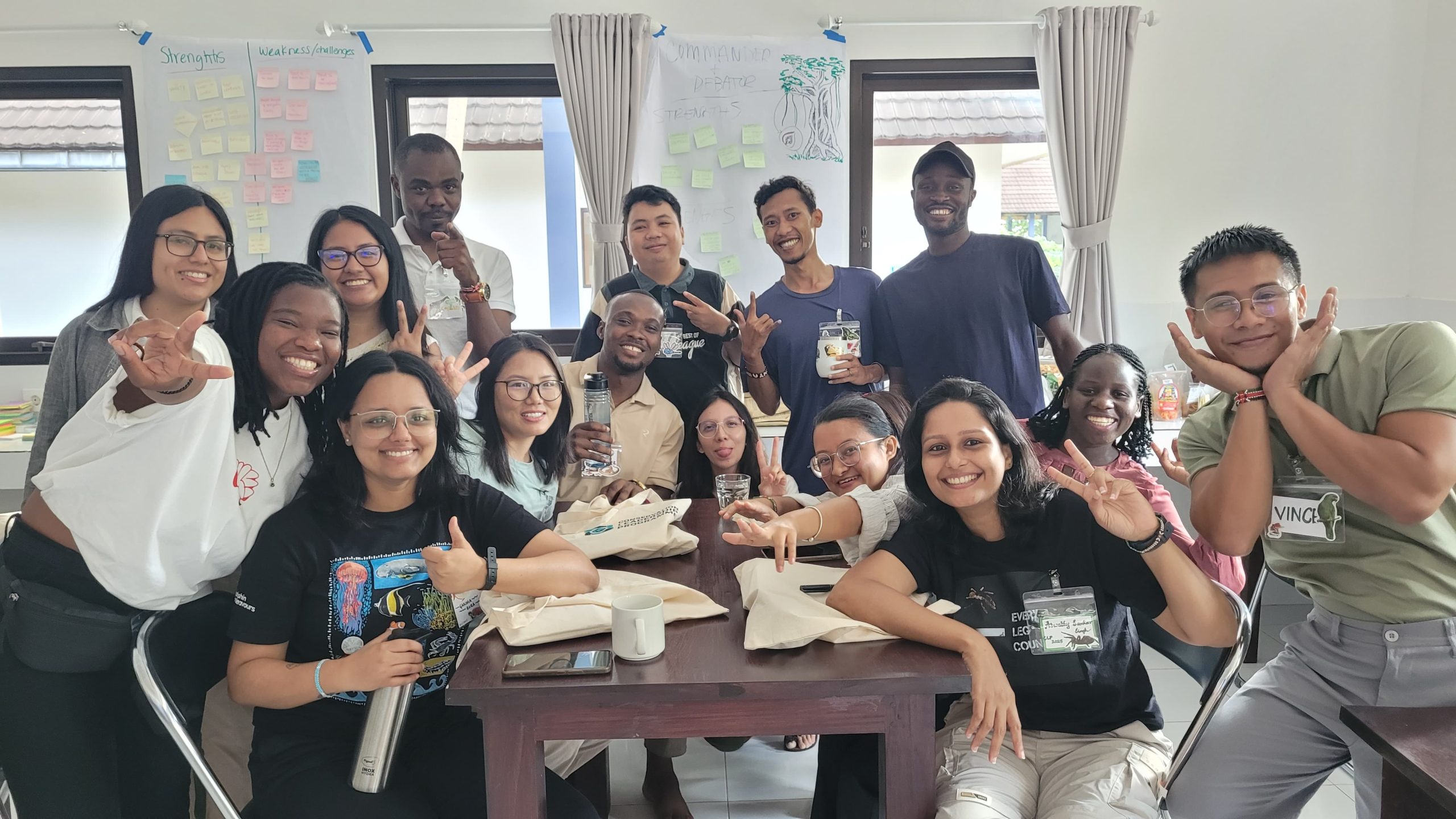
A group of 2025 CML participants
Diverse backgrounds, shared goals
Our CML workshop immerses participants in interactive training sessions on topics not usually covered in formal education, including personal and collective leadership, project planning, fundraising, communications, and behaviour change. This year, we flew our CML participants to our training venue in Bali from as far away as Brazil, Peru and Ghana; others had shorter journeys, such as from the Philippines, India and Nepal; and two had a short hop over from other areas of Indonesia.
“I’m here to learn, connect, and collaborate with changemakers shaping a regenerative planet.” – Albert Kwabena Aduah (2025 CML participant from Ghana)
Although from diverse places, our 2025 trainees had similar goals and expectations: to meet other conservationists, take new lessons and ideas home, share them with their teams and apply them in their CLP project work, focused on protecting some of the world’s rarest and least understood species. This includes, for example, the recently discovered and Critically Endangered Afia Birago’s puddle frog; the Endangered Kashmir muskdeer; the little understood earth tiger tarantula; the Vulnerable northern rufous hornbill; and the Critically Endangered great tiger-nut tree.
“As an early career conservationist, I am looking forward to learning advanced tools and technologies used in conservation projects and networking with others from diverse backgrounds.” – Alice Ropafadzo Chisango (2025 CML participant from Zimbabwe)
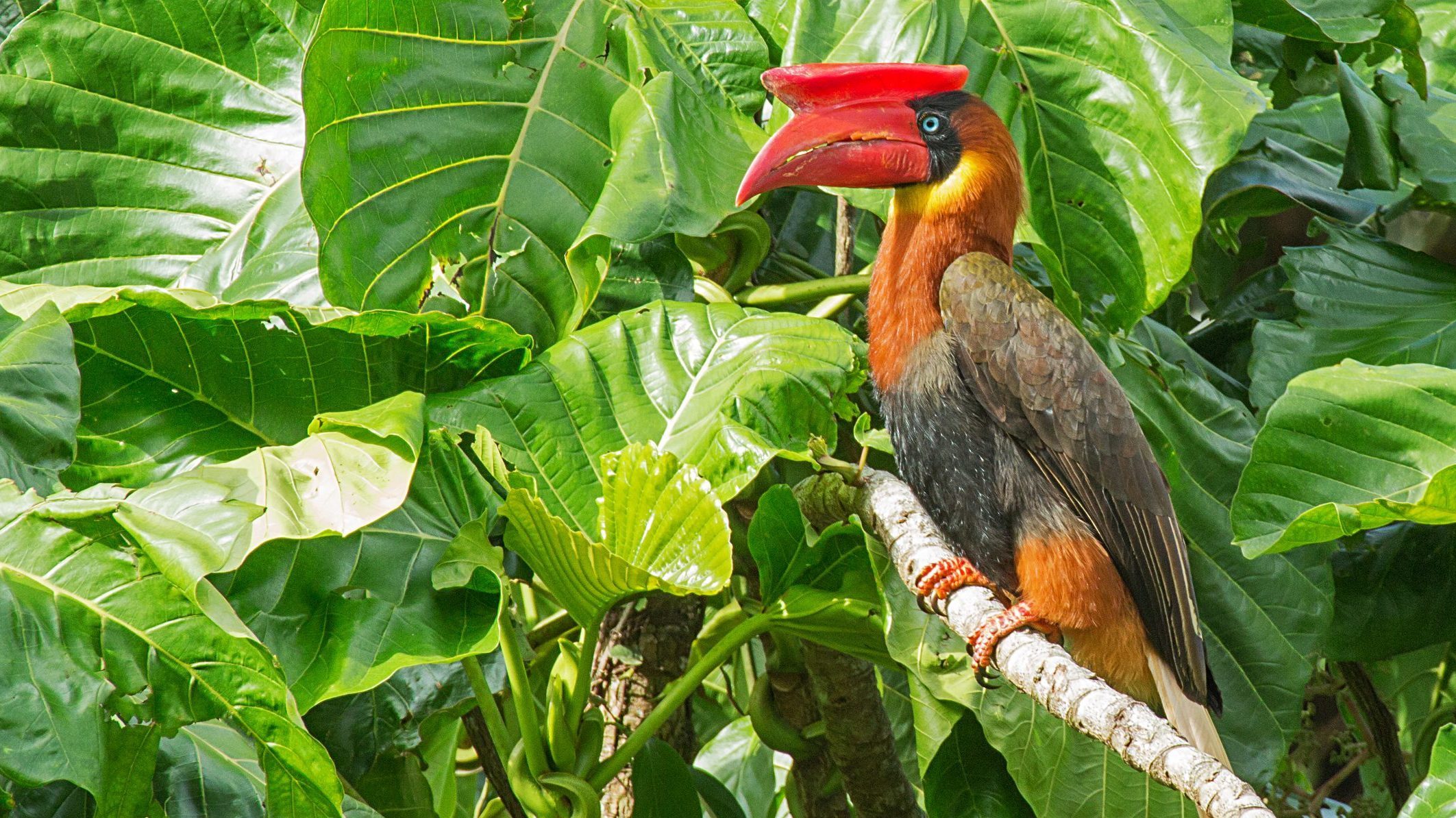
The northern rufous hornbill (classified as IUCN Vulnerable) is one of the threatened species targeted by a project supported by a 2025 CLP Team Award © Neon Tomas Rosell II
A participatory learning environment
Our CML workshop uses an active and participatory (or cooperative) learning approach, which focuses on the needs and objectives of the participants and actively engages them in learning, such as through discussions and activities. As well as reflecting CLP’s inclusive and collaborative values, a large body of literature suggests this approach can be more effective than traditional trainer-centric, passive learning approaches. Interested readers can consult a seminal study by Freeman et al. (2014) and multiple, more recent, meta-analyses reporting consistent positive effects of cooperative/active learning on achievement, engagement, and social outcomes across various domains (e.g. Yasar et al., 2024; Setiawan, Suwandi and Rohmadi, 2025).
Thus, by ensuring a participatory, safe space, our trainees were able to effectively grow their skills, knowledge and confidence, as well as learn about themselves and from each other.
For example, at the start of the training, we asked our participants to produce their own “Harmony Rules” to create an inclusive learning environment, and specify their expectations for the workshop. Also, all of our training sessions involved participatory activities, including small group exercises; brainstorming, role-playing and ‘hands-on’ demonstrative activities; and asking questions to encourage interactions from participants.
“This has been the best conservation-related course I’ve ever attended. I felt included and listened to. I also gained valuable tools that will help me continue to be successful in conservation. Now I feel empowered and ready to take action for nature.” – 2025 CML participant (anonymous)
Participants also took turns carrying out assigned daily roles and, at the start of each day, these ‘daily leads’ presented interactive, visual summaries of what they had learned to the rest of the group.
We also organised extracurricular social activities to enable the participants to connect both personally and professionally. This included a Cultural Festival to showcase the 18 cultures of all the countries represented at the workshop, and a trip to help a local NGO carry out coral restoration activities.
“This workshop has been a game-changer for me. The practical skills and knowledge I’ve gained have empowered me to be confident in making significant impact in my local community.” – 2025 CML participant (anonymous)
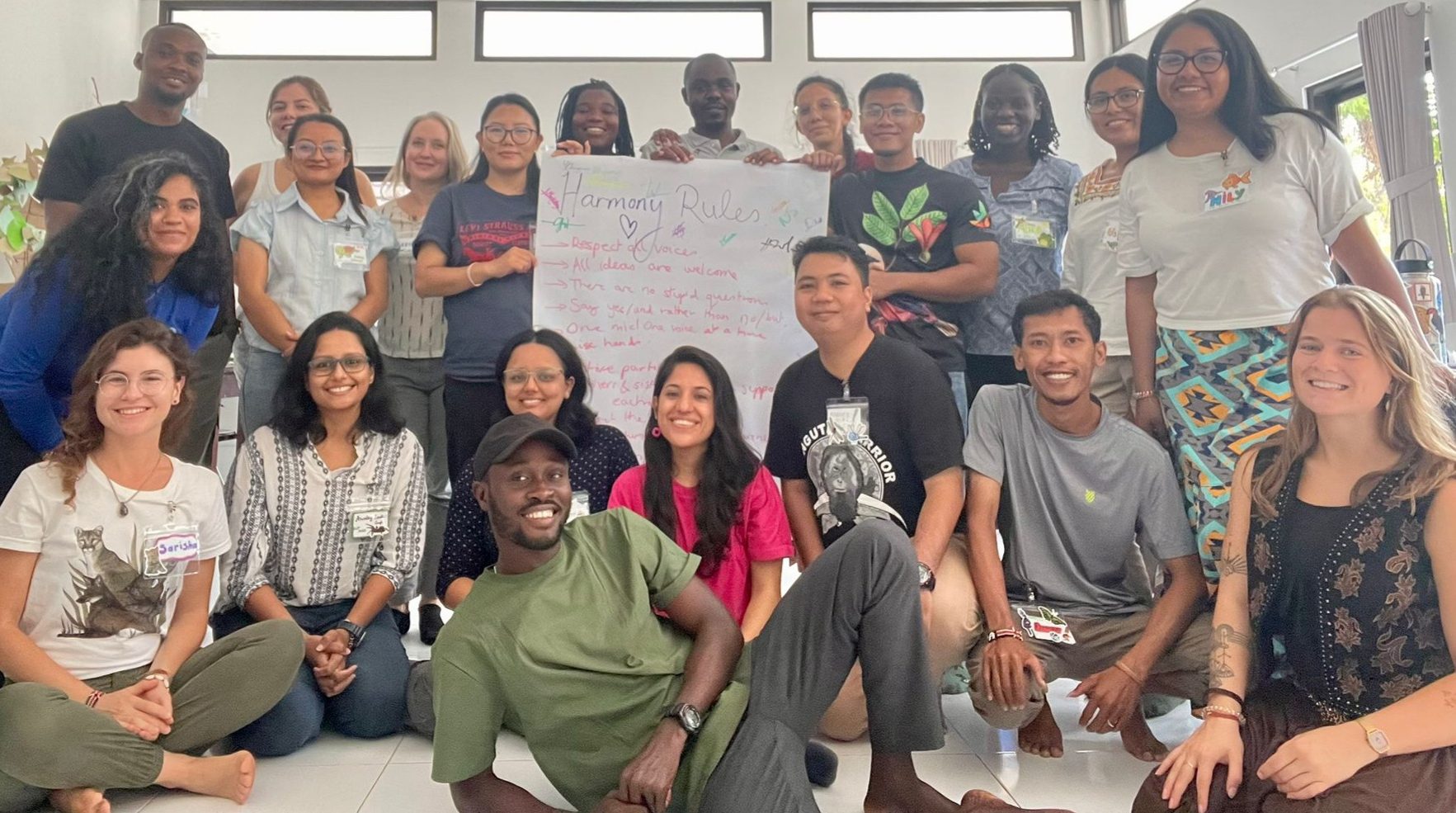
Our participants produced their own “Harmony Rules” to create an inclusive learning environment, and specify their expectations for the CML workshop
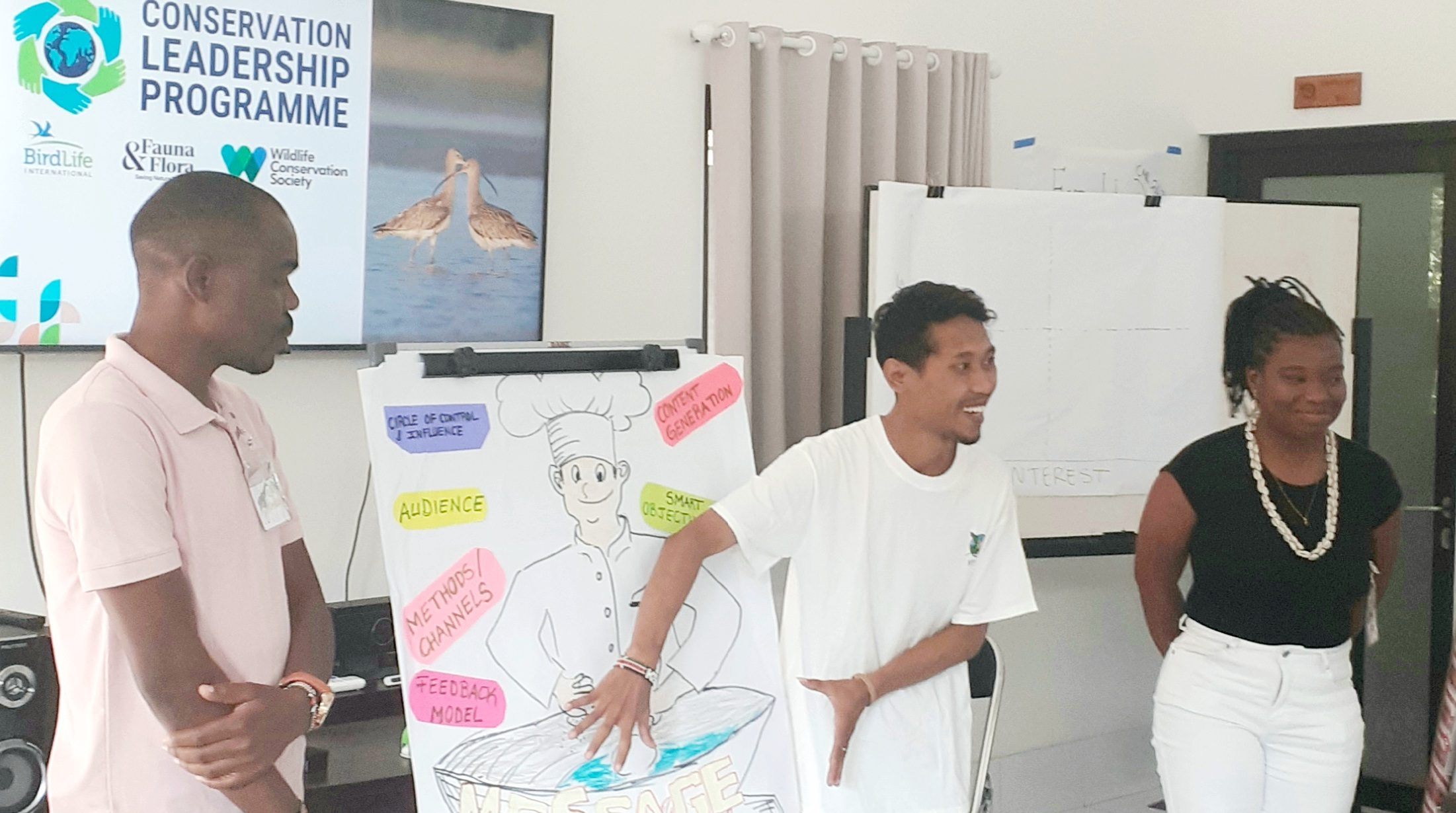
Daily ‘leads’ presenting back on the previous day’s training session
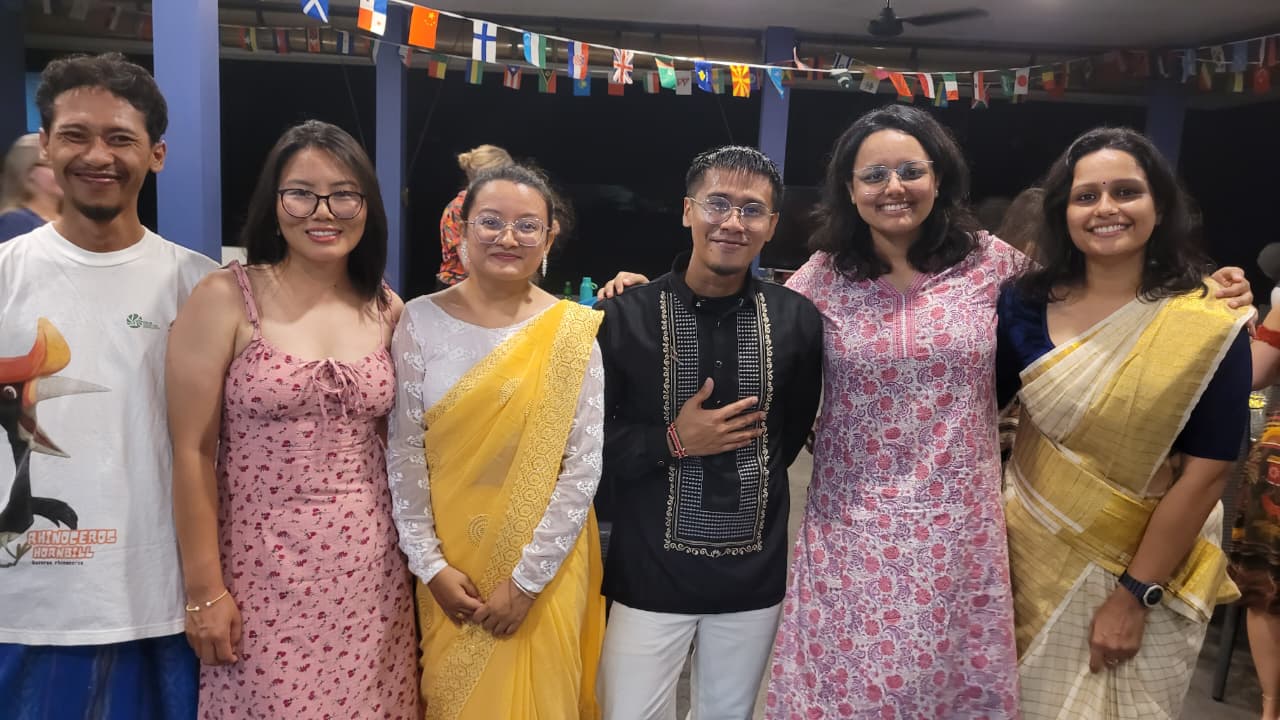
During our Culture Night, we learned about the 18 cultures represented by participants and staff at the workshop
“Being part of this training was soo amazing. I gained practical skills and new perspectives that I can already see myself applying in my conservation work, and it really pushed me to think bigger about the impact I want to create. What I loved most was connecting with other early-career conservationists from all over the world; we exchanged ideas, shared challenges, and supported each other in a way that made me feel part of a strong global community. This experience has not only strengthened my project but also motivated me personally to keep growing and contributing to conservation.” – 2025 CML participant (anonymous)
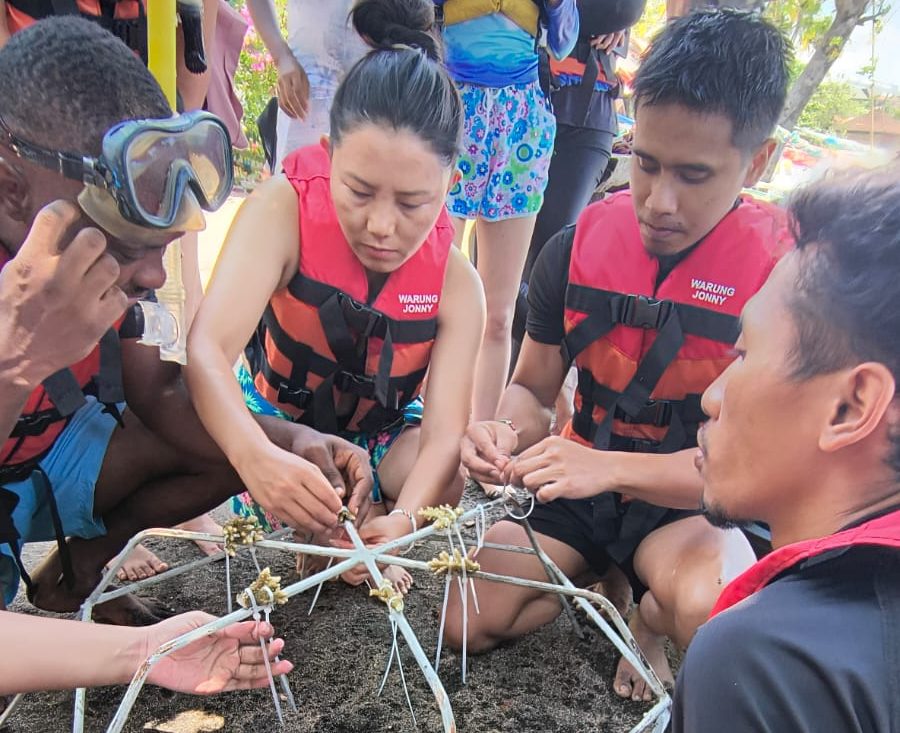
We organised a day trip to help a local NGO with coral restoration
Post-training survey feedback
In an anonymous post-training survey, our participants rated the training as ‘excellent’ or ‘very good’ overall, allowing us to conclude that they had an extremely positive experience.
All survey respondents reported that they had learned from the experiences of others at the training (such as gaining new ideas), while 73% said they had shared resources and opportunities with others. It was also interesting to hear that 60% had established one or more new collaborative relationships, with four participants noting they have planned future projects and other conservation actions with others they had met at the training.
“I’m truly grateful to have had the chance to sit and exchange ideas in the same forum with incredible people from all around the world. So many beautiful memories to share, countless lessons learned that changed my life and the way I see the world. This has been such a precious experience for me and a true turning point in my life.” – Adventus Robertino Rangin, Indonesia (2025 CML participant and project leader)
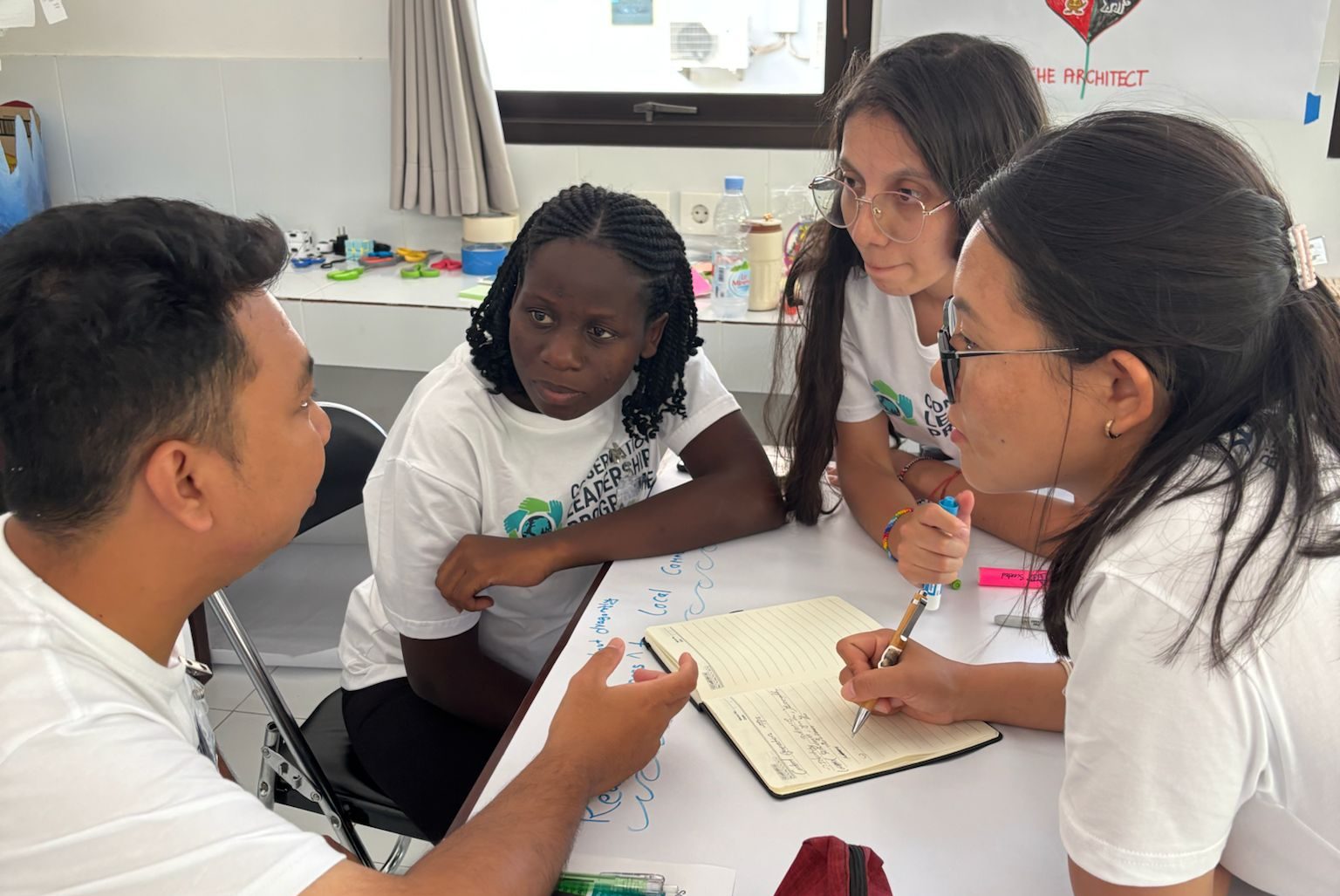
All of our training sessions involved some sort of participatory activity, such as small group exercises
In qualitative feedback, many participants highlighted the CML experience as valuable, impactful, and meaningful, with multiple references to applying what they had learned in their future work and projects.
“Participating in the CLP training has been a life-changing experience. I discovered the power of working together with conservationists from around the world, each one carrying stories of resilience and hope for our planet. This training not only gave me practical skills but also reminded me why I chose this path: to inspire communities and protect the fragile ecosystems we call home. I return to my country with renewed energy, stronger tools, and the certainty that I am part of a global family working for the same cause.” – 2025 CML participant (anonymous)
At the time of writing, we had received an update from one participant, Collins Masinde, to say he was already discussing how to implement what he learned at the CML workshop with his CLP project team in Kenya. Through these efforts, they hope to conserve the Critically Endangered plant, Vangueriopsis shimbaensis, of which only six mature individuals now remain in the world.
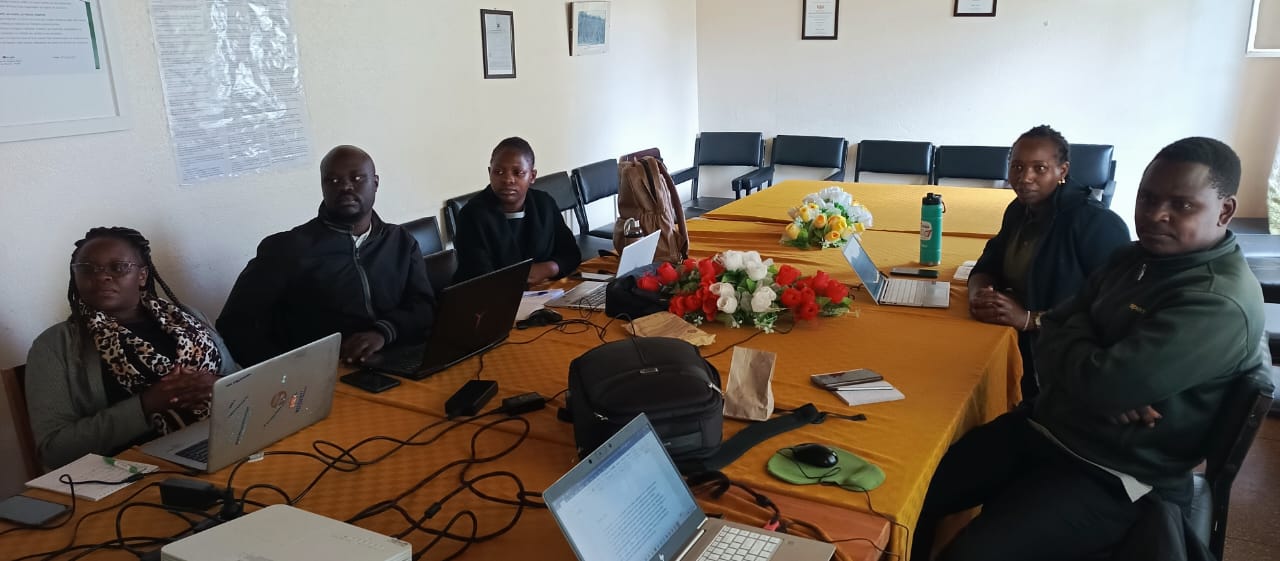
2025 CML participant, Collins Masinde, passing on what he has learned in the CLP training to his project team in Kenya © Collins Masinde
By bringing these emerging leaders together in one place and providing this specialised training, CLP ensures the growth of our next generation of conservation leaders and supports the delivery of effective and sustainable actions to protect some of the world’s most threatened biodiversity. We’ve heard directly from our 2025 participants about how much the training has meant to them, both for their professional development and in their personal lives, having given them additional peer-to-peer support, new mentors, fresh ideas, and, in many cases, friends for life.
“The CLP training has been more than just a workshop – it has been a space of transformation. From sessions on leadership skills, ethics, communication, self awareness, project design, facilitation, strategic planning, social marketing and behaviour change, every day opened new perspectives and gave me (us) the tools to carry for both conservation work and personal journeys. This journey has truly changed me, and us. I’m grateful and proud to be part of this venture, connected to a global community of change-makers. Here’s to taking these lessons back to our projects and continuing to make a difference.” – Aswathy Sankar Singh, India (2025 CML participant and project leader)
Acknowledgements
The Conservation Leadership Programme (CLP) is grateful to the Hempel Foundation, Fondation Segré, the March Conservation Fund, the Rufford Foundation and Arcadia – a charitable fund of Lisbet Rausing and Peter Baldwin – for their support. We are also thankful for our incredible 40-year partnership of three world-renowned conservation organisations: BirdLife International, Fauna & Flora, and the Wildlife Conservation Society.
Last (but not least), we would like to thank our CML workshop participants for their enthusiasm and dedication to learning as well as the support and encouragement they gave their fellow participants.